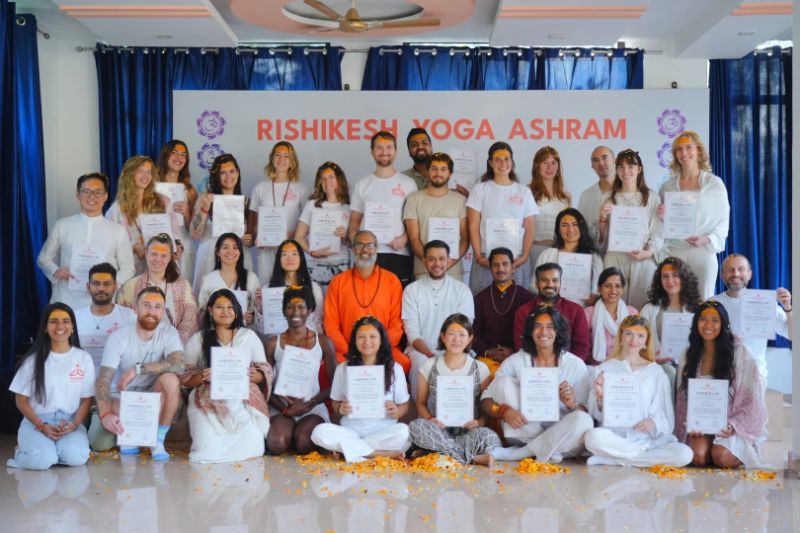
Yoga for Athletes: 7 Poses to Improve Mobility, Balance, and Recovery

    Yoga for Athletes: 7 Poses to Improve Mobility, Balance, and Recovery

    By Yoga alliance Rishikesh|2026-10-31
    Athletes regularly challenge their bodies through running, strength training, cycling, swimming, and other physical activities. While training builds strength and endurance, the body also needs time for mobility, relaxation, and recovery. Yoga can be a useful addition to an athletic routine because it combines controlled movement, stretching, balance, and mindful breathing. Athletes who want to explore yoga more deeply can learn about Yoga teacher training in rishikesh, 200 hour yoga teacher training in rishikesh, and 300 hour yoga teacher training in rishikesh. These programs introduce different aspects of yoga, including postures, breathing techniques, and mindful practice.

    Benefits of Yoga for Athletes

    Adding suitable yoga practices to an exercise schedule may offer several benefits: • Improved mobility: Gentle stretches help maintain comfortable movement in the hips, shoulders, legs, and spine. • Better balance: Standing postures challenge coordination and stability. • Body awareness: Controlled movements help athletes notice posture and movement patterns. • Relaxation: Breathing practices can support mental relaxation after demanding training sessions. • Movement variety: Yoga introduces different movement patterns alongside regular sports training. • Flexibility: Consistent, comfortable stretching can help maintain flexibility. Yoga should complement sport-specific training rather than replace strength, endurance, or recovery programmes.

    7 Effective Yoga Poses for Athletes

    1. Downward-Facing Dog (Adho Mukha Svanasana)

    This pose gently stretches the shoulders, back, calves, and hamstrings. How to practise: • Start on your hands and knees. • Place your palms firmly on the mat. • Tuck your toes under and lift your hips. • Lengthen your spine and keep your knees slightly bent if needed. • Hold for 20–30 seconds while breathing comfortably.

    2. Low Lunge (Anjaneyasana)

    Low Lunge gently stretches the front of the hip, which can become tight after running or cycling. How to practise: • Begin in a kneeling position. • Step your right foot forward between your hands. • Lower your left knee onto a cushion or mat. • Keep your upper body upright. • Move your hips forward gently and hold for 20–30 seconds. • Repeat on the other side.

    3. Warrior II (Virabhadrasana II)

    Warrior II encourages leg strength, balance, and body awareness. How to practise: • Stand with your feet wide apart. • Turn your right foot outward. • Bend your right knee while keeping it aligned with your ankle. • Extend both arms at shoulder height. • Look over your right hand and breathe steadily. • Hold for 20–30 seconds, then change sides.

    4. Pigeon Pose (Eka Pada Rajakapotasana Variation)

    This pose can provide a gentle stretch around the outer hip. How to practise: • Start on your hands and knees. • Bring your right knee forward behind your right wrist. • Extend your left leg behind you. • Keep your hips supported and level as comfortably as possible. • Stay upright or lean forward slightly. • Hold for 20–30 seconds and switch sides. Use a cushion beneath your hip if needed. Do not force the position or continue if you feel knee pain.

    5. Bridge Pose (Setu Bandhasana)

    Bridge Pose engages the glutes and gently opens the front of the hips. How to practise: • Lie on your back with your knees bent. • Place your feet flat on the floor, hip-width apart. • Keep your arms beside your body. • Press through your feet and lift your hips. • Hold for 15–20 seconds. • Lower slowly and relax.

    6. Seated Spinal Twist (Ardha Matsyendrasana Variation)

    This gentle twist encourages comfortable spinal movement. How to practise: • Sit with your legs extended. • Bend your right knee and place your right foot outside your left leg. • Keep your spine tall. • Turn your upper body gently towards the right. • Hold for 15–20 seconds. • Repeat on the opposite side. Avoid forcing the twist or using your arms to pull yourself deeper.

    7. Legs-Up-the-Wall Pose (Viparita Karani)

    This restorative posture offers a quiet resting position after physical activity. How to practise: • Sit beside a wall. • Lie back and raise your legs against it. • Adjust your distance from the wall until comfortable. • Rest your arms beside your body. • Breathe naturally for 3–5 minutes.

    How to Add Yoga to an Athletic Training Schedule

    Timing and intensity matter when combining yoga with sports training. • Before training: Choose gentle, dynamic movements rather than long, intense static stretches. • After training: Use comfortable, relaxed poses when your body is ready to cool down. • On recovery days: Try a gentle yoga session focused on mobility and breathing. • During demanding training periods: Keep sessions short and avoid adding unnecessary fatigue. • For beginners: Start with two or three short sessions per week.

    Important Safety Tips

    Athletes should avoid treating yoga as a competition. Greater flexibility is not always better, and forcing a stretch can increase the risk of injury. Warm up before deeper stretching. Avoid intense yoga immediately before explosive or high-intensity activity if it makes your muscles feel less prepared. If you have an existing injury, persistent pain, or a medical concern, seek guidance from a qualified healthcare professional or sports physiotherapist.

    Conclusion

    Yoga can be a helpful addition to an athlete's fitness routine. It offers opportunities to work on mobility, balance, flexibility, and relaxation through controlled movements and breathing. Choose poses that match your sport and physical condition. With regular, sensible practice, yoga can support a more balanced approach to training, movement, and recovery.
    Photos
    Gallery image 1Gallery image 2Gallery image 3Gallery image 4

    Comments

    No comments yet. Be the first to share your thoughts!

    Add a Comment

    Return to Vegas Agenda

    About Us

    Bryan Eggers dealt Blackjack in a major Strip casino for ten years, and has been writing about Las Vegas for 25 years. VegasAgenda.com is his 3rd major Vegas website and this time he's using A.I. to bring you the latest news, reviews, and insights on Las Vegas hotels, casinos, entertainment, dining, sports, and local happenings.

    Free Membership

    Become a free member to get breaking Vegas news, smart casino and sports insights, and trip-planning tips tailored to tourists and locals alike. Membership is 100% free—no credit card, just insider Las Vegas content from someone who knows the town.

    Sign Up Free

    Social Media

    Coming soon! Follow us for live updates from the Strip.

    © 2025-2026: All text and images are Copyright 2025-2026 by VegasAgenda.com and Bryan Eggers or their respective copyright holders. Content may not be copied without their permission.

    Soft launch: We're quietly testing VegasAgenda.com. If you spot anything that looks broken or confusing, please let us know.

    Report a bug or issue